
Don’t miss out! Life is busy, but our free range days, member discounts, and exclusive deals shouldn’t pass you by.
Join the Rotsvas Indoor Range WhatsApp Channel and stay in the loop.
Obtaining a legal firearm in South Africa requires completing two distinct processes: first acquiring a competency certificate, then applying for a license under the Firearms Control Act 60 of 2000. The entire process typically takes 12-24 months from start to finish, demanding patience, thorough documentation, and strict compliance with SAPS (South African Police Service) requirements. Understanding each step before you begin will save considerable time and frustration.
Before applying for any firearm license, every applicant must obtain a competency certificate proving they understand firearm law and can safely handle their chosen weapon type. This certificate confirms you meet Section 9 requirements: being 21 years or older, a South African citizen or permanent resident, mentally stable, substance-free, and without disqualifying criminal convictions in the past five years.
The training process involves both theoretical and practical components delivered through PFTC-accredited training providers. You’ll first complete the mandatory Unit Standard 117705 – a legal module covering the Firearms Control Act, self-defence provisions under Section 49 of the Criminal Procedures Act, and storage requirements. Then you’ll complete firearm-specific modules for each weapon type you wish to own (handgun, shotgun, manually-operated rifle, or semi-automatic rifle each require separate certification).
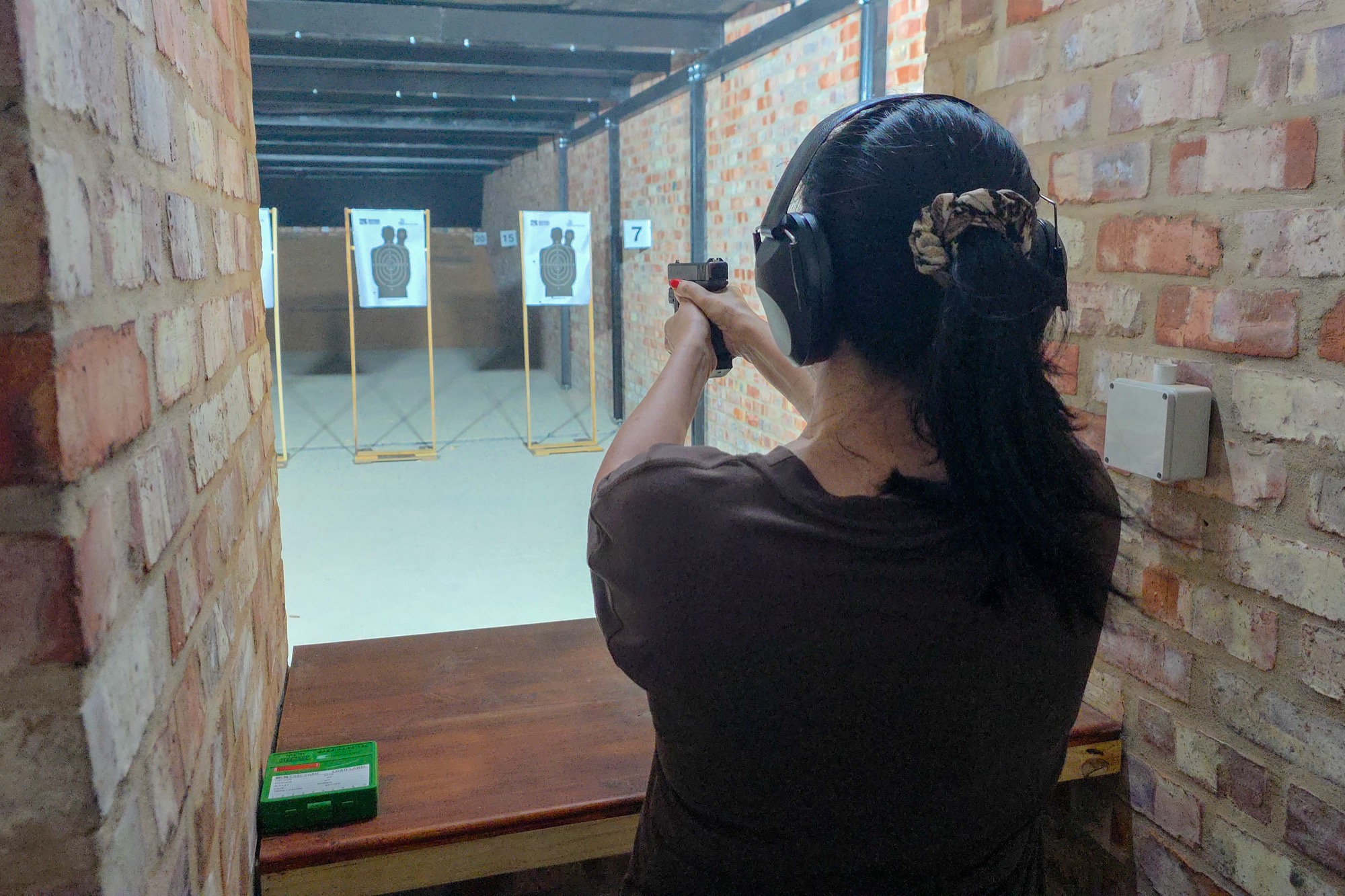
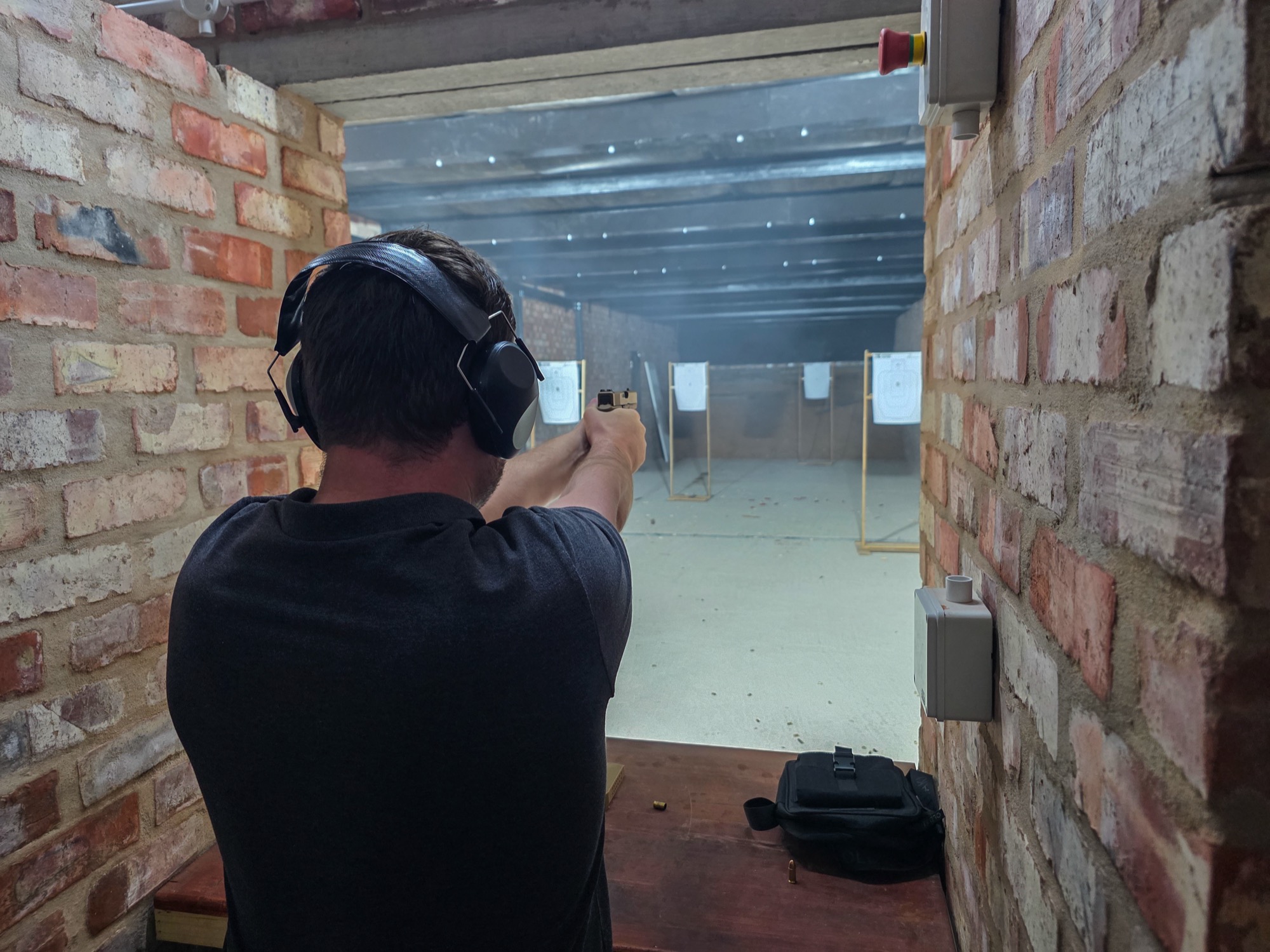
Training follows a structured format: an open-book home study test of approximately 50 questions using provided manuals, followed by a classroom session where you’ll write a closed-book examination of roughly 25 questions and complete a practical shoot assessment. The practical test evaluates safe handling, loading / unloading procedures, correct shooting stance, and accuracy at prescribed distances. Training costs range from R2,000-R4,000 for multiple modules combined.
The FCA offers three primary civilian license categories, each with distinct requirements and restrictions that determine what firearms you may own.
Section 13 (Self-Defence) permits only one firearm – either a handgun or manually-operated shotgun – with a 200-round ammunition limit and 5-year validity. Semi-automatic firearms are prohibited. You must provide written motivation demonstrating a legitimate need for personal protection and cannot reasonably satisfy that need through other means.
Section 15 (Occasional Hunting / Sport Shooting) allows up to four firearms total (or three if you already hold a Section 13 license), including handguns, bolt-action rifles, and manually-operated shotguns. Each license carries a 200-round limit per firearm but extends validity to 10 years. Semi-automatic firearms remain prohibited under this section, but formal association membership isn’t required – just a credible motivation demonstrating occasional participation in hunting or sport shooting.
Section 16 (Dedicated Hunter / Sport Shooter) offers the most flexibility: unlimited firearms (each requiring individual motivation), no ammunition restrictions, and crucially, permission to own semi-automatic rifles and shotguns. The tradeoff is mandatory membership in a SAPS-accredited association such as SA Hunters (SAHGCA), SAGA, or CHASA, plus ongoing activity requirements – typically 2-3 documented hunting or shooting activities annually. License validity remains 10 years, but allowing your membership to lapse renders all Section 16 firearms technically unlawfully possessed.
All applications must be submitted in-person to the Designated Firearms Officer (DFO) at your local police station – no online system exists. The DFO verifies documentation, takes fingerprints, conducts background checks, contacts character references (you’ll need three), and inspects your firearm storage before forwarding approved applications to the Central Firearms Registry in Pretoria.
Your safe must comply with SABS 953-1 standards: minimum 2.8mm steel walls, 5.75mm door thickness, at least three 20mm locking bolts, and proper anchor bolting to wall or floor. A separate lockable ammunition compartment is mandatory. The DFO will inspect your installed safe before finalizing any license.
Official processing targets state 90-120 working days, but realistic timeframes can run considerably longer. Competency certificates typically take 12-18 months; license applications add another 6-12 months. Applicants can improve outcomes by ensuring complete documentation, following up monthly with the DFO, and calling the CFR helpline at 012-353-6111. If you have a competency or firearm application pending, you can check its status at https://trackmyapplication.co.za/.
The Firearm Control Amendment Bill currently under parliamentary review proposes significant restrictions including effective elimination of self-defence licensing, reduction of ammunition limits to 100 rounds, and tighter controls on semi-automatic firearms. As of January 2026, this Bill has not been enacted – the current FCA framework remains in force. Prospective owners should proceed under existing regulations while monitoring legislative developments.
The path to legal firearm ownership in South Africa demands commitment, but thousands successfully navigate this system annually. Begin with accredited training, choose your license section strategically based on your actual needs, ensure your documentation is impeccable, and prepare for a process measured in months rather than weeks.
You can read the Firearms Control Act 60 of 2000 here.
If you have a competency or firearm application pending, you can check its status at https://trackmyapplication.co.za/.
If you want to get a firearms competency, see our options here.


Don’t miss out! Life is busy, but our free range days, member discounts, and exclusive deals shouldn’t pass you by.
Join the Rotsvas Indoor Range WhatsApp Channel and stay in the loop.